Choosing the right flooring is very important for any commercial business. The floor affects not only the look of the space but also safety, maintenance, and comfort for both employees and customers. Different types of businesses need different kinds of flooring depending on foot traffic, durability, and cleaning needs.
This article explains five popular flooring options that work well for commercial spaces, helping business owners make a smart choice.
Food Industry Flooring
Businesses in the food industry require flooring that can handle moisture, spills, and heavy cleaning. Floors must be non-slip to prevent accidents and strong enough to resist stains from oils and food. Epoxy and vinyl floors are often used because they are easy to clean and very durable.
Proper food industry flooring also meets hygiene standards, which is crucial for kitchens, restaurants, and food production areas. This type of flooring keeps the workspace safe and ensures compliance with health regulations.
Porcelain Tile Flooring
The porcelain tile flooring is a popular choice for commercial spaces that want a professional and polished look. These tiles are very strong and resist scratches, water, and stains. They are suitable for areas with heavy foot traffic, like hotels, offices, and shopping malls.
Porcelain tiles come in many designs and colors, allowing businesses to create a modern or elegant atmosphere. They are easy to clean and maintain, which helps save time and effort for staff.
Vinyl Flooring
Vinyl flooring works well in commercial spaces because it is affordable, durable, and simple to maintain. It comes in sheets, tiles, or planks, allowing businesses to choose the style that fits their design. Vinyl is water-resistant, which makes it a good choice for areas prone to spills, such as offices, schools, and retail stores.
This flooring also absorbs sound, creating a quieter environment, which is useful for busy businesses where many people move around.
Carpet Flooring
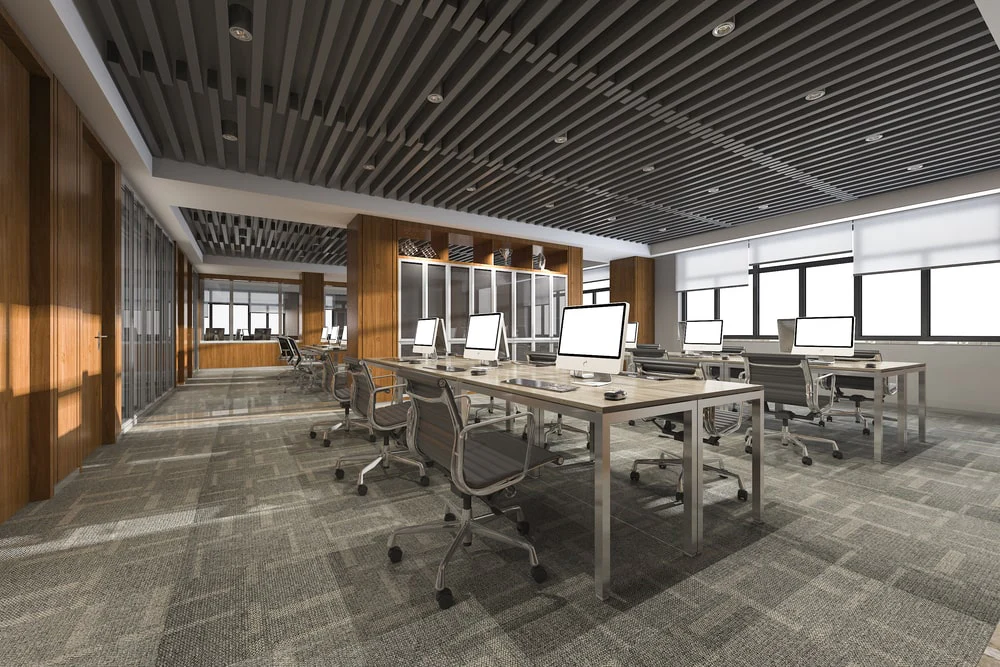
Carpet flooring provides comfort and noise reduction in commercial spaces. It is commonly used in offices, hotels, and conference rooms. Carpets make the environment warmer and more welcoming for visitors.
Commercial carpet is different from home carpet because it is designed to handle heavy foot traffic and last longer. Stains and dirt can be cleaned easily with proper maintenance, keeping the space clean and professional.
Concrete Flooring
Concrete flooring is strong and long-lasting, making it ideal for warehouses, factories, and large commercial spaces. It can handle heavy machinery and frequent foot traffic without damage. Polished concrete also gives a modern, industrial look that many businesses find attractive.
Concrete floors are easy to clean and resistant to water and chemicals, which makes them practical for a variety of industries. Businesses can even add color or patterns to concrete to make the space more visually appealing.
Conclusion
Choosing the right flooring can make a big difference in how a commercial space looks, feels, and functions. Food industry flooring ensures safety and hygiene, while porcelain tile flooring provides durability and elegance. Vinyl, carpet, and concrete each have unique benefits that suit different types of businesses.
Considering durability, maintenance, and style can help a business select the best flooring for its needs. The right choice creates a safe, attractive, and functional environment for employees and customers.