
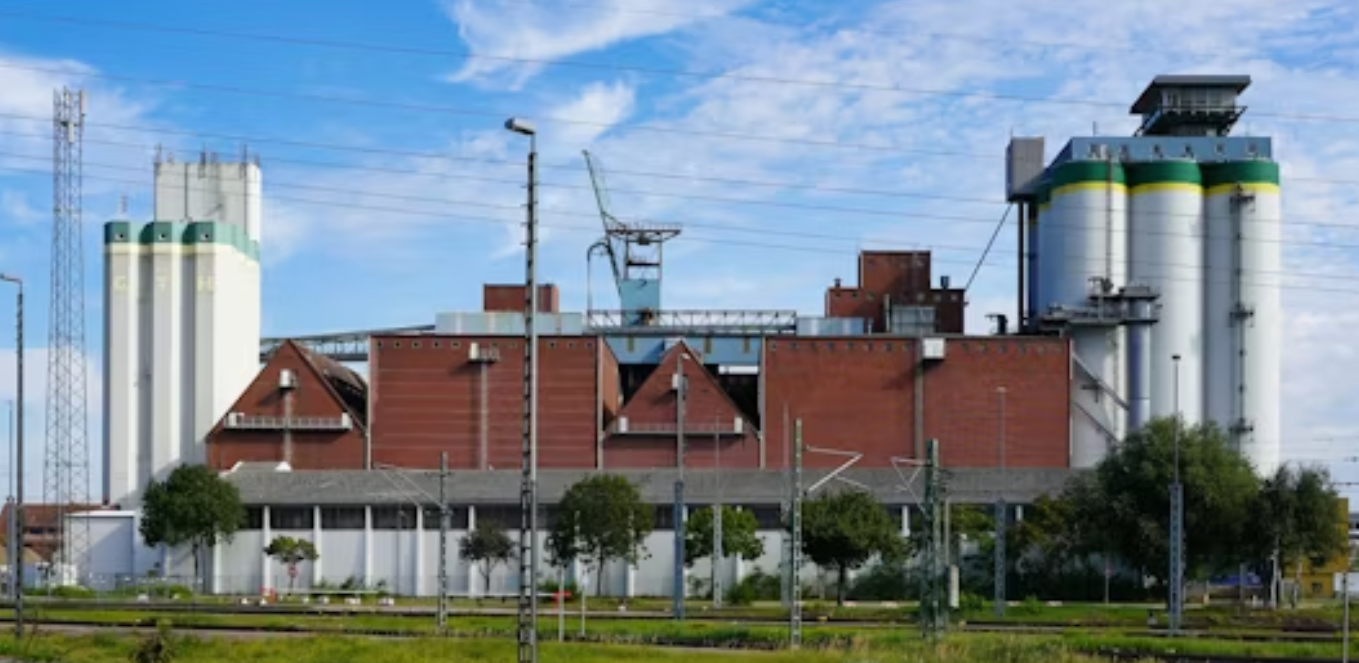
Safety within industrial spaces is not a secondary concern or a regulatory formality; it is a fundamental responsibility that protects people, assets, and long-term productivity. As industrial operations grow more complex, the risks associated with heavy machinery, utilities, and infrastructure increase accordingly.
Maintaining a safe industry space requires disciplined planning, certified processes, and informed equipment decisions. Key factors such as selecting the right excavators for sale and ensuring proper backflow test kit certification play a critical role in creating environments where safety is controlled, measurable, and sustainable.
Establishing Safety as an Operational Standard
A safe industrial space begins with leadership commitment and clearly defined standards. Safety must be embedded into daily operations rather than treated as a periodic inspection exercise.
This includes consistent risk assessments, documented procedures, and clear accountability at every operational level. When safety is treated as a core performance metric, organizations reduce incidents, protect workforce morale, and maintain uninterrupted operations.
Managing Heavy Machinery With Purpose and Precision
Heavy equipment introduces some of the highest risks within industrial environments. Excavation, material handling, and earthmoving activities require both capable machinery and trained operators. Selecting excavators for sale that are appropriate for the intended workload is a critical safety decision. Machines that are undersized, oversized, or outdated increase the likelihood of mechanical failure, operator fatigue, and site instability.
Modern excavators are designed with advanced safety features such as improved visibility, stability controls, and operator assistance systems. Purchasing from reputable sources ensures equipment meets current safety standards and has been properly inspected and maintained. When excavators are correctly matched to site conditions and operated by trained personnel, the risk of accidents is significantly reduced, and site safety becomes predictable rather than reactive.
Training and Certification as Risk Control Tools
Equipment alone does not guarantee safety. Operator competence is equally critical. Comprehensive training ensures machinery is used within its design limits and that operators understand site-specific hazards. Regular refresher training reinforces best practices and adapts teams to evolving safety standards.
Certification also plays a vital role in non-mechanical risk areas, particularly where utilities and water systems are involved. Backflow prevention is essential in industrial facilities where contamination can pose serious health and compliance risks. Ensuring personnel hold valid backflow test kit certification confirms that testing is conducted accurately and in accordance with regulatory requirements. Certified testing protects water systems from cross-contamination and demonstrates due diligence in facility management.
Protecting Infrastructure and Essential Systems
Industrial safety extends beyond visible hazards to include the systems that support daily operations. Water supply, drainage, and processing systems must be protected from contamination, pressure imbalance, and mechanical stress. Backflow test kit certification ensures that individuals responsible for inspecting and maintaining these systems are qualified to identify failures before they become critical incidents.
Routine testing and documentation provide traceability and accountability, reducing liability while maintaining compliance with local and industry regulations. A certified approach transforms infrastructure safety from a risk exposure into a controlled and auditable process.
Reducing Site Risk Through Preventive Planning
Preventive planning is one of the most effective safety strategies available to industrial operators. This includes scheduled equipment inspections, proactive replacement of worn components, and continuous monitoring of high-risk activities. Excavators for sale should be evaluated not only on purchase price but on service history, safety features, and long-term reliability.
Similarly, maintaining certified testing programs for utilities ensures small defects are addressed before escalating into major failures. Prevention minimizes downtime, protects workers, and preserves the integrity of the industrial environment.